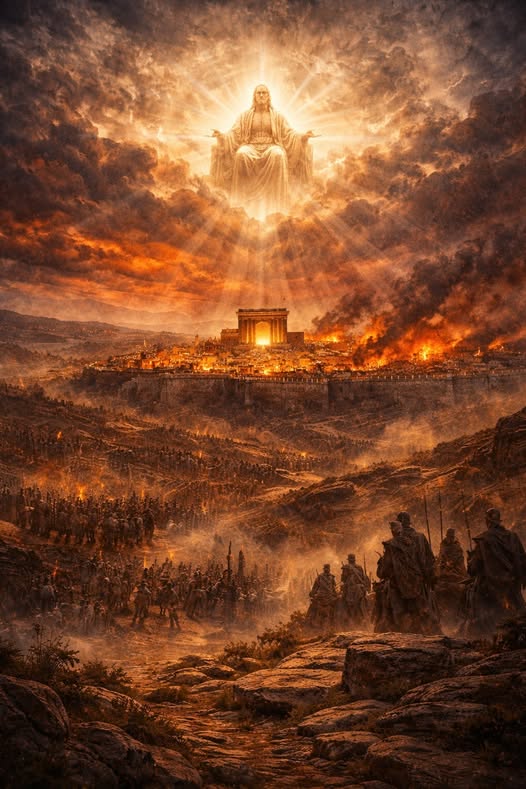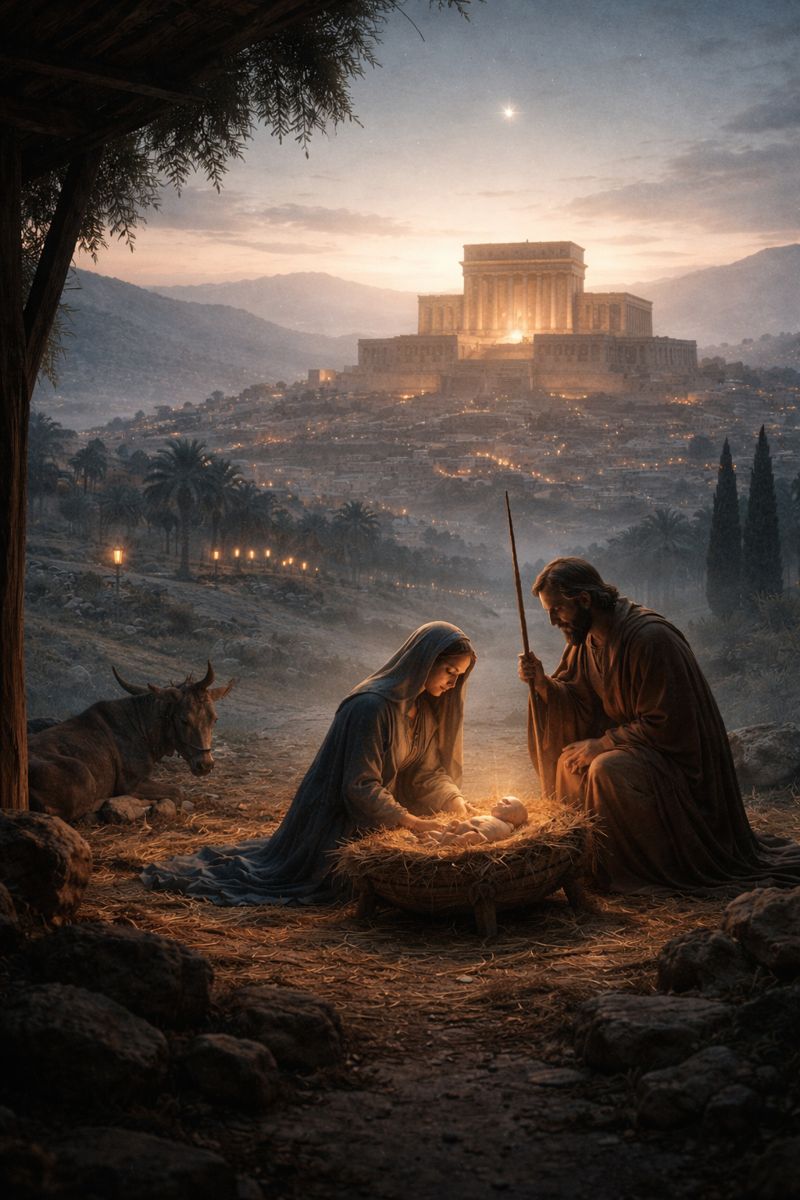
Between the final prophetic words of Malachi and the opening chapters of the Gospels lies a period of roughly four centuries often called the Silence Years. Scripture records no new prophetic revelation, no covenantal oracles, and no divine announcements introduced with “Thus says the Lord.” This silence was not accidental, nor was it evidence of divine absence. It was deliberate, and its meaning shapes how Christmas should be understood within the larger biblical story.
For Jews living in the Second Temple period, this silence coincided with a deeper awareness that something essential was missing. God had not abandoned His people, and Temple worship continued, yet the sense of divine immediacy that characterized earlier periods of Israel’s history was absent. The silence pressed Israel to live by remembered promises rather than fresh revelation, creating a sustained tension between expectation and fulfillment.
Silence and the Absence of God’s Manifest Presence
After the Babylonian exile, the Temple was rebuilt, sacrifices resumed, and priestly duties were restored. Yet Second Temple Jews widely believed that several defining elements of the First Temple had not returned. Among these was the Shekinah, the visible and enthroned presence of Yahweh that once filled the sanctuary. This belief is preserved later in rabbinic tradition but reflects an earlier theological awareness rooted in Scripture and lived experience.
Josephus describes the Holy of Holies as empty, emphasizing its sacredness while acknowledging the absence of any physical object or sign of enthroned presence within it. Ezekiel had recorded the departure of Yahweh’s glory from the Temple before its destruction, but no biblical text ever narrates its return. Second Temple Jews noticed this omission. The Temple stood as a functioning institution, but the divine presence that once marked it as the center of heaven and earth was no longer manifest.
This means the Silence Years were not merely about God not speaking. They were about God not dwelling where He once had. The heart of Israel’s worship existed without the climactic sign of covenantal presence, reinforcing the sense that restoration was incomplete and that the story had not yet reached its resolution.
Why Silence Matters Theologically
In the biblical worldview, God’s speech and God’s presence are covenantal realities. When God speaks, He reveals His will and advances His purposes. When He dwells, He reigns among His people. Silence, therefore, is not indifference or withdrawal. It is restraint, signaling that God is waiting to act in a way that fulfills rather than merely extends what has already been promised.
The absence of prophetic speech forced Israel to cling to Scripture, memory, and hope rather than relying on ongoing clarification from new revelation. At the same time, the absence of God’s manifest presence in the Temple reinforced that covenant faithfulness alone would not restore what had been lost. The covenant remained intact, but it awaited completion. The Temple functioned as a place of obedience and sacrifice, yet it lacked the fullness that once defined it.
This prolonged tension shaped Second Temple expectations. Many did not simply long for political freedom or national independence. They longed for the return of God Himself, for His glory, His nearness, and His reign to be restored among His people in a decisive and unmistakable way.
The Return of Heavenly Speech
When God breaks the silence, He does not do so by returning to the Temple or filling the Holy of Holies. Instead, divine speech resumes through angelic messengers, marking a new phase of covenant action. Gabriel appears to Zechariah and Mary, angels speak to Joseph and the shepherds, and prophetic insight is granted to figures like Simeon and Anna. These announcements are not scattered or ornamental. They signal that the long pause has ended and that God is acting again within history.
What is striking is where this renewed speech occurs. It does not take place in the sanctuary or before the priesthood as a whole. It unfolds in homes, fields, and ordinary spaces. Heaven speaks, but not from the Temple. The center of divine action has shifted, preparing the reader for a form of restoration that will not be tied to architecture or ritual location.
Christmas and the Return of God’s Presence
The birth of Christ resolves both forms of silence at once. God does not simply speak again; He comes. The incarnation answers the absence of prophetic revelation and the absence of divine presence in a single act. John’s declaration that the Word became flesh and dwelt among us deliberately evokes tabernacle imagery, signaling the return of God’s dwelling with His people in a new and unexpected way.
Rather than returning to inhabit the Holy of Holies, God walks among Israel. He teaches, heals, forgives, and restores, embodying the covenant promises that had remained unfulfilled for centuries. The Temple remains standing, yet God’s presence is now encountered in a person. Covenant renewal no longer centers on sacred space but on divine presence made visible and accessible.
Seen this way, Christmas is not sentimental or nostalgic. It is theological and covenantal. God ends centuries of silence not by resuming the old pattern, but by fulfilling it. The waiting gives way not to another prophet, but to God Himself entering human history.
Conclusion
The Silence Years reveal that God’s restraint is purposeful and that waiting is often the means by which hope is purified. The absence of prophetic speech and the absence of God’s manifest presence prepared Israel for something greater than a restored Temple or renewed ritual life. Christmas marks the end of waiting because it marks the return of God’s presence, not behind a veil, but among His people.
The silence was not failure. It was preparation. Christmas is the moment when God no longer dwells at a distance, but comes near, renewing the covenant by His presence rather than merely His words.
Discussion Questions
- How does the combination of prophetic silence and the absence of God’s manifest presence in the Second Temple shape Jewish expectations by the time of Jesus, and why is that tension important for understanding the Gospels?
- In what ways does the idea of a legitimate but incomplete Temple challenge modern assumptions that correct ritual or structure automatically implies divine fullness or approval?
- Why do you think God chose to resume divine speech through angels in ordinary places rather than through the Temple or priesthood, and what does that suggest about how covenant renewal was taking place?
- How does understanding the Silence Years change the way we read statements like “the Word became flesh and dwelt among us,” especially in light of tabernacle and Temple imagery?
- What are the theological risks of treating Christmas primarily as a sentimental or cultural event rather than as the decisive end of centuries of waiting and unresolved covenant expectation?
Want to Know More
- N. T. Wright, Jesus and the Victory of God
Wright situates Jesus firmly within Second Temple Jewish expectations, especially the unresolved hopes surrounding exile, restoration, and the return of God to Zion. His treatment of how first-century Jews understood divine presence, Temple symbolism, and covenant fulfillment provides essential background for understanding why the incarnation would be perceived as climactic rather than merely inspirational. - G. K. Beale, The Temple and the Church’s Mission
Beale traces the biblical theme of God’s dwelling place from Eden through the Tabernacle and Temple and into the New Testament. His work is particularly helpful for understanding how the absence of God’s manifest presence in the Second Temple period sets the stage for the New Testament’s claim that God’s dwelling has shifted to Christ and, subsequently, to His people. - Margaret Barker, Temple Theology: An Introduction
Barker explores traditions surrounding the First Temple, the departure of divine glory, and expectations of its return. While not all of her conclusions are universally accepted, her work is widely cited and valuable for understanding how ancient Jews may have perceived the Second Temple as incomplete and how those expectations intersect with early Christian claims about Jesus. - John J. Collins, The Apocalyptic Imagination
Collins provides a comprehensive overview of Second Temple Jewish literature and theology, including themes of divine absence, expectation, and future restoration. This work helps frame the Silence Years not as theological stagnation, but as a period of intensified hope for decisive divine action. - Lester L. Grabbe, An Introduction to Second Temple Judaism
Grabbe offers a historically grounded overview of Jewish belief and practice during the Second Temple period. His discussion of Temple worship, prophetic absence, and evolving expectations about God’s presence is especially useful for grounding theological reflection in historical reality.
About the Author