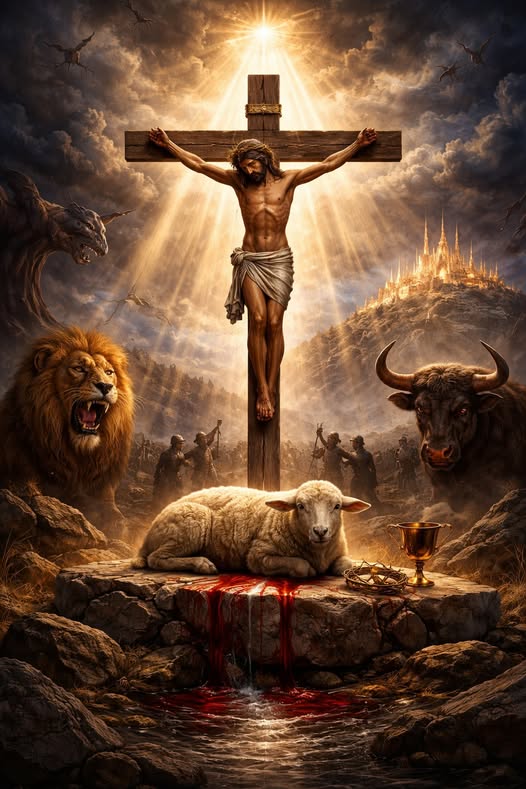
Few theological questions create more confusion than the relationship between God’s sovereignty and human freedom. Many people assume the two must compete. If God’s purposes will certainly stand, then human choices can seem irrelevant. If human choices are real and morally meaningful, then God’s rule can be reduced to observation rather than governance. That assumption makes the discussion feel like a logical trap.
Scripture does not treat the subject as a trap. The biblical authors speak about God’s authority over history and human accountability in the same breath, and they do so across many genres. They do not pause to defend the coherence of those claims because they do not see them as mutually exclusive. The strain usually appears when modern definitions of freedom are placed over the text before we have allowed Scripture to define the terms.
The Modern Definition of Freedom
In much modern Western thinking, freedom is defined as autonomy, meaning that a person is free only if nothing outside the self can finally determine outcomes. Under that definition, a divine plan can only mean that human decisions are apparent rather than real. If the conclusion of history is settled, then the human role is assumed to be a formality.
That framework pushes the discussion into a zero-sum model. Either God governs history or humans do. Either providence is real or agency is real. Once that model is accepted, any robust doctrine of divine sovereignty will be interpreted as a threat to human responsibility. The Bible does not define freedom in that way, and it does not describe God’s rule as though it competes with creaturely decision making.
The Biblical Picture of Sovereignty
Scripture presents God as the Lord of history. He establishes His purposes, keeps His covenant promises, and governs nations and rulers according to His will. The biblical narrative assumes that God is not one causal factor among many, but the Creator who sustains all things and directs history toward the ends He has determined.
At the same time, the Bible does not describe providence as the elimination of creaturely intention. Human beings act from motives, desires, fears, loyalties, and convictions, and those motives matter morally. God’s sovereignty is portrayed as purposeful governance that encompasses real creaturely action rather than replacing it. The text repeatedly places both claims side by side without suggesting that one must be reduced to preserve the other.
Joseph and Layered Intentions
Joseph’s story provides a clear example. His brothers sold him into slavery out of jealousy and resentment. Their decision was deliberate, and the narrative treats their guilt as genuine. Nothing in the text indicates that their motives were forced or that their responsibility was diminished.
Later, Joseph interprets the same event through the lens of God’s providence. He tells his brothers that they intended evil, but God intended good through the same series of events in order to preserve life. The point is not that the brothers’ intentions were secretly good, nor that God merely responded to their betrayal. The narrative presents concurrent intentions operating at different levels, one morally corrupt and the other providentially redemptive, with neither being treated as unreal.
The Crucifixion as the Defining Example
The crucifixion shows the same pattern with even greater weight. Peter states that Jesus was delivered up according to God’s definite plan and foreknowledge, and he also holds the perpetrators responsible for what they did. The event is described as both divinely purposed and humanly enacted through real choices, including choices that are condemned as sinful.
This is important because the cross is not a peripheral detail in the biblical story. It is central to God’s redemptive work. If sovereignty and responsibility were incompatible, the New Testament writers would be forced to soften one claim to protect the other. Instead, they maintain both, presenting God’s plan as intact without turning human agents into morally neutral instruments.
The Category Error Behind the Objection
A common mistake is assuming that a divine plan must mean exhaustive scripting of every impulse and decision. Scripture describes God as governing outcomes and purposes without presenting Him as the author of sin or the manipulator of corrupt motives. Human beings act according to their character, and the Bible assigns responsibility on that basis.
The objection often treats sovereignty and freedom as if they must operate in the same category. In Scripture, God’s governance is ultimate and sustaining, while human agency is real and accountable within the created order. Because these are not presented as identical kinds of causation, the text does not treat them as competing explanations. The result is not philosophical abstraction but a narrative account of providence that remains morally serious about human choice.
Freedom in the Biblical Sense
Biblical freedom is not defined as independence from God. It is the reality of meaningful agency within God’s world. People make real decisions that reflect what they love, what they fear, what they worship, and what they desire. Those decisions carry consequences because they are morally significant and personally owned.
Within that framework, God’s sovereignty does not function as an eraser. It functions as the ground of meaning and the assurance that history is not random. Human actions matter precisely because they occur within a world that God governs toward justice, judgment, and restoration. Scripture therefore, treats responsibility as real without requiring autonomy in the modern sense.
Conclusion
The apparent conflict between sovereignty and freedom often comes from importing modern definitions of autonomy into the biblical discussion. Scripture presents God as sovereign over history and humans as accountable for their actions, and it does so without treating one claim as a threat to the other. Narrative examples such as Joseph’s betrayal and the crucifixion show how human intentions and divine purposes can operate concurrently without collapsing into a single explanation. The Bible’s concern is not to satisfy a modern philosophical model but to describe the world as governed by God and inhabited by responsible creatures.
Discussion Questions
- How does defining freedom as autonomy shape the way many people approach the question of God’s sovereignty, and how does that differ from the way Scripture appears to frame human agency?
- In the story of Joseph, what does it mean that the same event can carry both sinful human intention and redemptive divine intention without canceling either one?
- How does Peter’s description of the crucifixion in Acts challenge the idea that divine foreordination eliminates moral responsibility?
- What assumptions are being made when someone claims that a divine “plan” must involve exhaustive scripting of every individual decision?
- If biblical freedom is the ability to act according to one’s nature within God’s created order, how does that understanding affect the way we think about sin, repentance, and transformation?
Want to Know More?
- D. A. Carson – Divine Sovereignty and Human Responsibility: Biblical Perspectives in Tension
Carson carefully examines key biblical passages that hold sovereignty and responsibility together without collapsing one into the other. Rather than resolving the tension philosophically, he demonstrates how Scripture itself maintains both realities and warns against forcing artificial harmonizations. - John M. Frame – The Doctrine of God
Frame offers a comprehensive treatment of God’s attributes, including an extended discussion of providence, foreordination, and human freedom. His approach emphasizes that divine sovereignty operates at an ultimate level that does not negate creaturely agency but grounds it. - Bruce A. Ware – God’s Greater Glory: The Exalted God of Scripture and the Christian Faith
Ware argues for a robust understanding of divine sovereignty rooted in the biblical narrative. His discussion of providence and human action engages directly with contemporary objections and shows how Scripture consistently affirms both. - Thomas R. Schreiner and Bruce A. Ware (eds.) – Still Sovereign: Contemporary Perspectives on Election, Foreknowledge, and Grace
This collection addresses theological debates surrounding election and human freedom with careful exegesis. The essays engage both classical and modern objections while grounding the discussion firmly in biblical texts. - Gregory A. Boyd and Paul R. Eddy – Across the Spectrum: Understanding Issues in Evangelical Theology
While not limited to this topic, this book provides a fair overview of differing evangelical positions on sovereignty and freedom, including compatibilist and libertarian perspectives. It is especially useful for understanding how various frameworks approach the tension without caricature.
About the Author