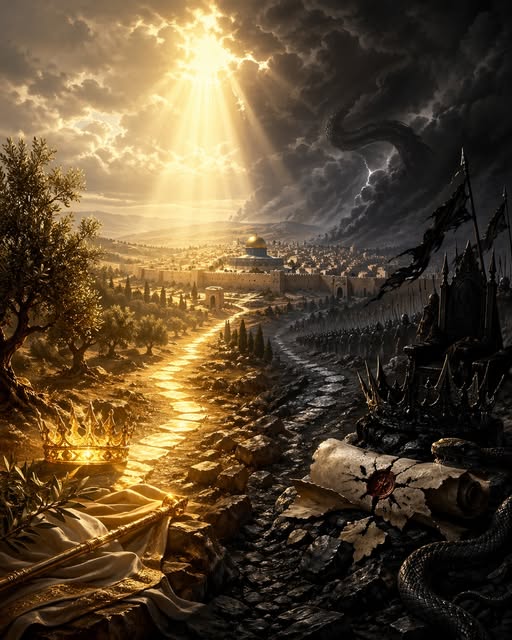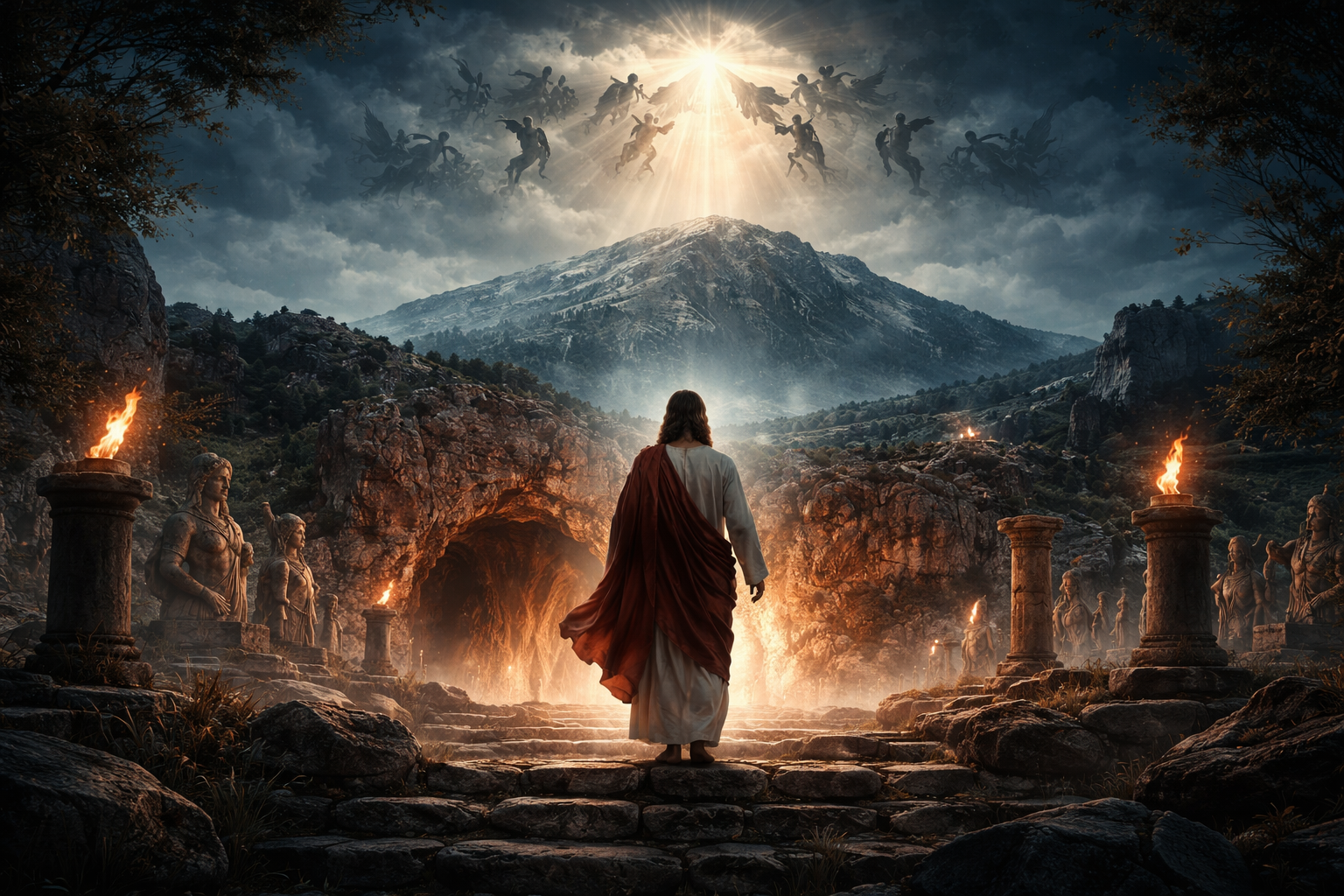
One of the most consistently misunderstood moments in the Gospels occurs at Caesarea Philippi, largely because it is detached from its physical, political, and supernatural context. Jesus’ statement that He would build His ekklesia is often treated as a generic reference to the future church, stripped of confrontation and reduced to a promise of endurance. In its original setting, however, this declaration was neither abstract nor comforting. It was a deliberate announcement made in a place that embodied rival claims to authority, both spiritual and civic. What Jesus said there was a challenge to an existing system of rule and a declaration that its legitimacy was coming to an end.
Why Caesarea Philippi mattered
When Jesus Christ brought His disciples to Caesarea Philippi, He was not choosing a neutral backdrop. The city sat at the base of Mount Hermon, a region associated in Second Temple Jewish thought with rebellion in the heavenly realm and the corruption of divine authority described in Genesis 6. This was already understood as contested ground, a place where improper rule had taken hold and spread.
The city itself reinforced this symbolism. Caesarea Philippi housed a temenos, a sacred precinct filled with shrines and statues dedicated to Pan and the Olympian gods. This was not informal folk religion, but an organized religious system tied to claims of divine jurisdiction over the land and its people. Even the city’s political structure reflected this worldview. It was governed by a municipal council, an ekklesia in the civic sense, mirroring the ancient assumption that authority, whether heavenly or earthly, was exercised through councils. Jesus chose a location where spiritual power, political governance, and rival claims to rule were visibly intertwined, ensuring that His declaration would be unmistakable to those who understood the symbolism.
The meaning of ekklesia in context
The word ekklesia did not mean “church” as it is commonly understood today. It referred to an assembly, a council, a governing body that exercised real authority. In the Greco Roman world, an ekklesia was where decisions were made and power was expressed. In the Hebrew Scriptures and Second Temple literature, similar language was used for divine councils, assemblies of heavenly beings tasked with governance under God’s authority.
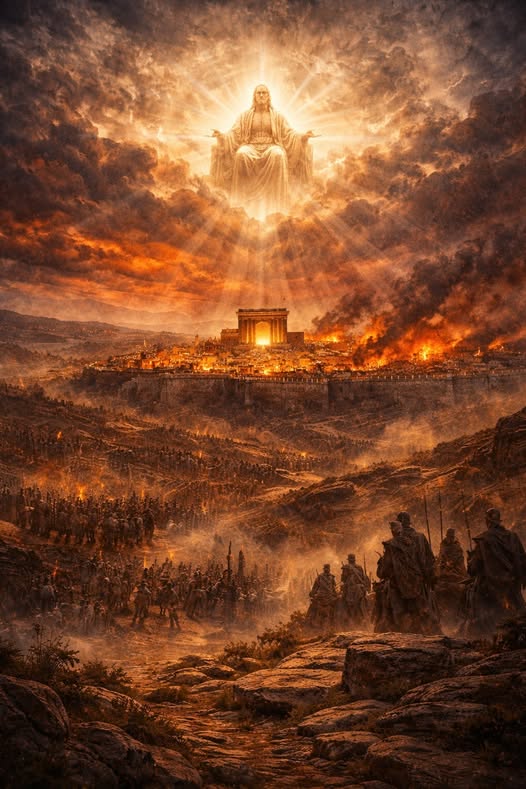
When Jesus declared that He would build His ekklesia in this place, He was not talking about forming a devotional community or a religious association. He was announcing the creation of a new ruling assembly that would replace a corrupt one. This statement fits directly within the biblical storyline in which the nations were allotted to lesser elohim, those rulers became corrupt, and God pronounced judgment against them. Psalm 82 declares their condemnation. Daniel 7 describes authority being stripped from them and given to the Son of Man, who then shares it with His holy ones. At Caesarea Philippi, Jesus announces that this transfer of authority is no longer theoretical. It has begun.
The gates of hell and the collapse of authority
Jesus’ reference to the gates of hell is frequently misunderstood as a defensive promise, as though His followers would barely withstand relentless attacks. In the ancient world, gates were not offensive weapons. They symbolized authority, jurisdiction, and control. The gate of a city represented who ruled and who exercised legal power.
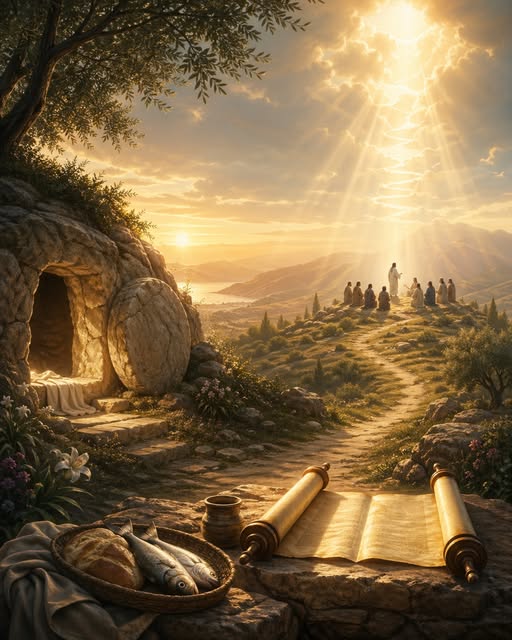
By saying that the gates of hell would not prevail, Jesus was not describing a besieged church. He was declaring that the authority of death and the underworld would not be able to hold what He was reclaiming. The image is one of collapse, not survival. The powers are not advancing. They are losing territory. The resurrection would make this unmistakably clear, proving that death itself no longer possessed ultimate authority and that the rulers who relied on it were exposed as illegitimate.
What Jesus was not calling for
This moment is not a mandate for political revolution or violent overthrow. Jesus was not instructing His followers to depose Rome, dismantle civic institutions, or seize power through force. The New Testament consistently rejects that model, even in the face of unjust rule and persecution.
If political domination were the mission, the apostolic era would be a record of failure. The apostles did not topple governments. They were imprisoned, executed, and marginalized. Yet the old gods lost worship, the Roman religious system collapsed, and the empire itself eventually fell. That outcome only makes sense if the conflict Jesus announced was never about controlling institutions, but about dismantling the spiritual authority that sustained them.
How false gods actually fall
In Scripture, false gods lose power when allegiance is withdrawn. They fall when people stop worshiping them, stop fearing them, and stop granting them ultimate loyalty. Authority collapses when imagers are removed from a ruler’s domain. Paul describes the conflict as one not against flesh and blood, but against rulers and authorities in the heavenly places. The weapons are proclamation, faithfulness, endurance, and witness.
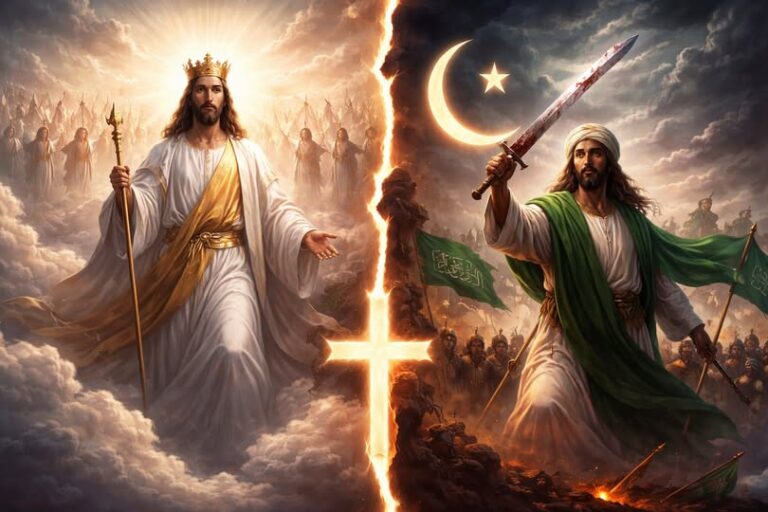
When the New Testament speaks of martyrdom in this context, it is describing witness rather than weaponized death. Christian martyrdom is the faithful endurance of suffering or death without retaliation, coercion, or violence, and without inflicting harm on others. It exposes false authority precisely because it refuses to operate through fear or force and demonstrates that even death no longer has the power to compel allegiance. This must be clearly distinguished from systems that redefine martyrdom as killing or coercing others in the name of advancing religious or political power. In those systems, death is used instrumentally to enforce submission and expand control, which does not weaken illegitimate authority but reinforces it. Christian martyrdom undermines the powers because it breaks fear without creating victims.
Implications for today
The declaration at Caesarea Philippi guards against two persistent errors. On one side is political triumphalism, the belief that the church is called to dominate governments, enforce belief, or rule through coercion. This misunderstands both the nature of Christ’s kingdom and the way authority actually functions in Scripture. On the other side is quietism, the idea that faith should remain private, disengaged, and silent in the face of competing claims to loyalty.
The ekklesia is neither militant nor passive. It publicly affirms that Christ reigns, that rival authorities are illegitimate, and that ultimate allegiance belongs to Him alone. This posture inevitably places believers in tension with systems that demand fear, worship, or obedience that only God deserves. Christians undermine false authority not by seizing power, but by refusing to grant it what it claims it needs to survive.
Conclusion
At Caesarea Philippi, Jesus was not offering a metaphor for later reflection but issuing a declaration in real space against real rival claims of authority. By announcing the formation of His ekklesia there, He made clear that a transfer of authority was underway, one that would unfold through allegiance and witness rather than violence or institutional takeover. The old gods were not defeated by force but by losing their imagers, their worship, and their claim to ultimate loyalty. That same pattern continues today. The church exists not to seize power or retreat from the world, but to live as a visible alternative allegiance under the reign of Christ, and in doing so to participate in the ongoing collapse of illegitimate authority that Jesus announced that day.
Discussion Questions
- How does understanding Caesarea Philippi as a center of rival spiritual and civic authority change the way you read Jesus’ statement about building His ekklesia?
- In what ways do modern political, cultural, or ideological systems mirror the ancient assumption that authority must demand ultimate allegiance, and how should Christians respond without becoming either militant or passive?
- Why is the distinction between Christian martyrdom as witness and coercive or violent uses of “martyrdom” essential for understanding how false authority actually collapses?
- What does it look like in practice for Christians to withdraw fear, worship, and ultimate loyalty from illegitimate authorities while still living responsibly within society?
- How does the idea of the ekklesia as a counter-council challenge common assumptions about the church’s role in shaping culture, power, and public life?
Want to Know More
- Michael S. Heiser, The Unseen Realm: Recovering the Supernatural Worldview of the Bible
A foundational work explaining the divine council worldview, the rebellion of lesser elohim, Psalm 82, and how the New Testament assumes this framework when speaking about authority and the powers. - Michael S. Heiser, Reversing Hermon: Enoch, the Watchers, and the Forgotten Mission of Jesus Christ
Directly relevant to Caesarea Philippi, Mount Hermon, Genesis 6, and Jesus’ intentional confrontation with hostile spiritual powers in contested geographic space. - John H. Walton, Ancient Near Eastern Thought and the Old Testament
Provides essential background on ancient concepts of sacred space, councils, governance, and authority, clarifying why Jesus’ language at Caesarea Philippi carried political and cosmic weight. - N. T. Wright, Paul and the Faithfulness of God
Explores how early Christian proclamation challenged rival claims of authority, including Caesar and the gods of the nations, without resorting to violence or political revolution. - Judd H. Burton and Aaron Judkins, Decoding Gobekli Tepe: Biblical Anatolia and the Watchers
Examines ancient sacred sites, divine rebellion traditions, and the continuity between ancient religious worldviews and biblical theology, providing context for understanding contested sacred geography.
About the Author