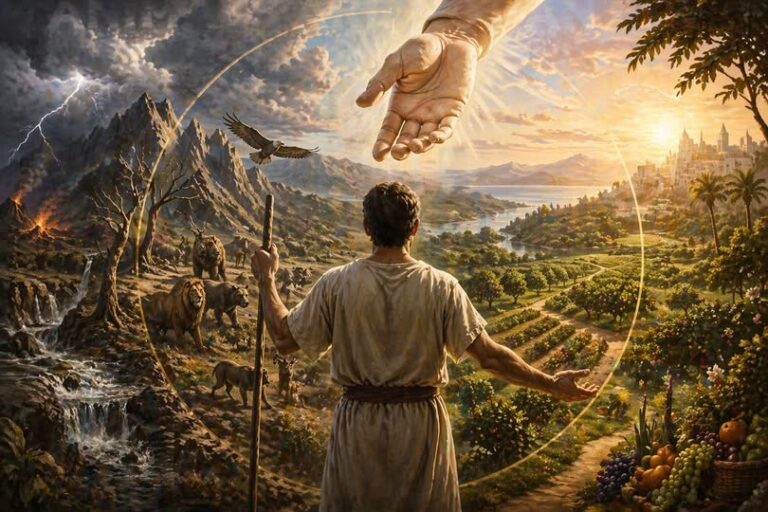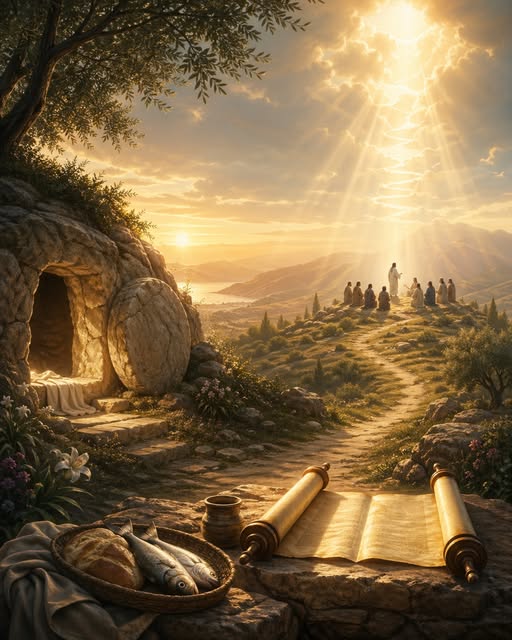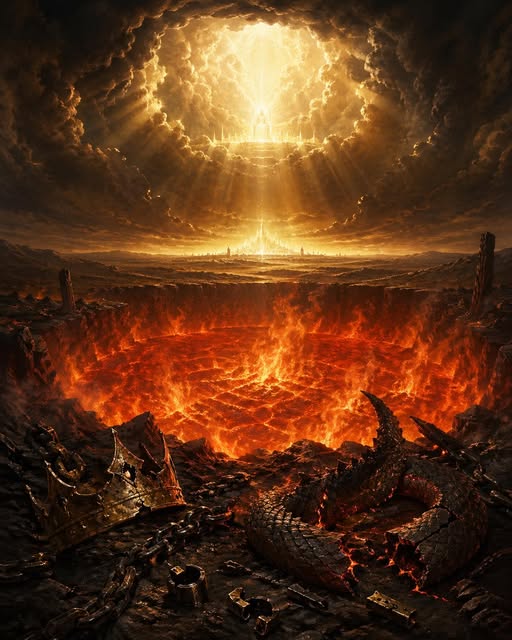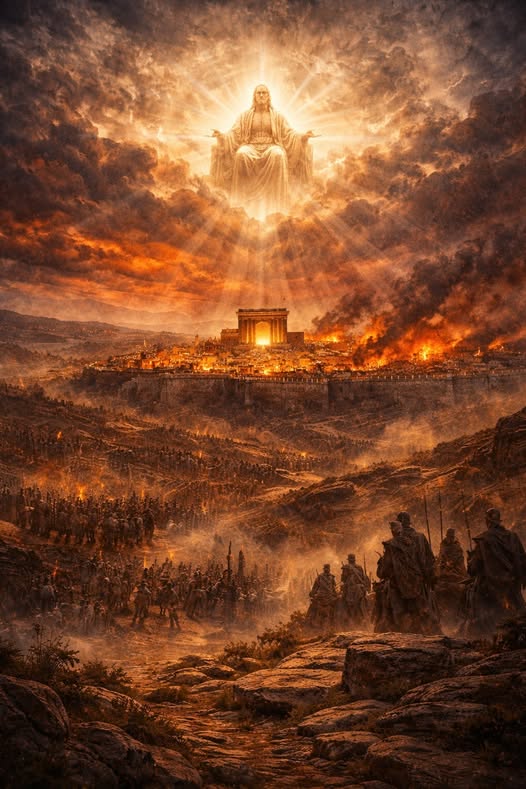
The promise of resurrection and glorified embodiment is so central to Judaism and Christianity that it’s easy to overlook how unprecedented the concept was in the world of the Ancient Near East (ANE). In a cultural landscape dominated by bleak afterlife expectations, the biblical vision of a redeemed, reembodied existence shattered prevailing norms. The idea that humans might not only escape the grip of death but rise again in everlasting glory was nothing short of revolutionary.
Death in the Ancient Near East: A Realm of Shadows
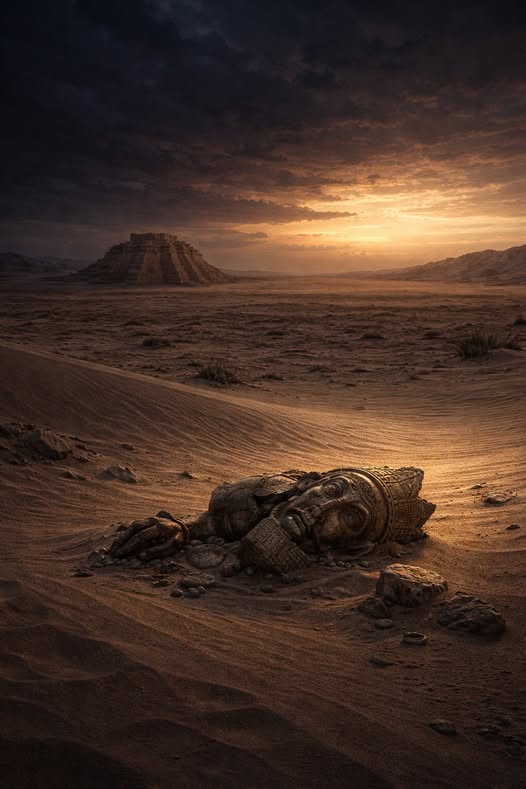
In the cosmologies of Mesopotamia, Canaan, and Egypt, the afterlife was not a place of joy or fulfillment. It was a necessary descent into Sheol, Irkalla, or the Egyptian Duat, a dim and dusty realm where all the dead, good or evil, shared the same fate. This was a land of no return, where the dead were stripped of vitality, feasted on dust, and faded into obscurity. In Mesopotamian myth, even kings and gods wept over this fate, and no one, not even the mighty, escaped.
These views were not born out of nihilism but reflected a spiritual realism shared across the ancient world. Sheol and its counterparts like Irkalla and Duat were not metaphors. They were real destinations in the cosmology of the time, dreaded places where the dead existed as weakened, diminished shades. Life was fragile. Disease, war, and disaster struck without warning. The best a person could hope for was to retain a name among the living. Immortality was not life eternal, but legacy. The gods might live forever, but humans were destined for the shadowlands.
Sheol in the Hebrew Bible: A Shared Inheritance
Early Hebrew thought shared many features with this ANE worldview. Sheol, as depicted in much of the Old Testament, was not a place of torment or reward but of silence and forgetfulness. Job lamented that the grave was a place where both the righteous and the wicked went. Psalmists cried out to God, not wanting to descend to Sheol where praise was no longer heard.
What made Sheol especially terrifying was the possibility of not just existing in a diminished state, but being utterly destroyed. In the worldview of Israel and its neighbors, some spirits in Sheol could be devoured, consumed by greater powers such as the Rephaim or forgotten entirely. To be erased from memory was to lose all identity and hope. The dead could descend further into oblivion, where no legacy or relationship with the living or with God remained. In this view, Sheol was not a passive waiting area. It was a realm where final annihilation remained a threat.
The Bosom of Abraham: Covenant Protection in the Realm of the Dead
Amid this grim expectation, later Jewish tradition introduced a dramatic contrast. The righteous were not abandoned to dissolution. Instead, they were gathered into what became known as the Bosom of Abraham. Far from being a metaphor, this designation marked out a region of Sheol reserved for those who belonged to the covenant. As seen in Luke 16, the faithful were carried by angels to a place of comfort and remembrance, not terror and erasure.
This was not yet heaven, but it was a protected state. While others faded into silence or were at risk of destruction, those in the Bosom of Abraham were remembered, preserved, and awaited resurrection. It was a place of being known by God, a key distinction from the rest of the underworld. Even in Sheol, Yahweh made a distinction between those who were His and those who were not. This growing expectation set the stage for a greater hope, one not just of preservation, but of reversal.
The Breakthrough: Resurrection and Embodied Hope
The first major crack in the prevailing view comes in Isaiah and Daniel, where we find explicit references to bodily resurrection: “Your dead shall live; their bodies shall rise.” These declarations were not metaphors. They were bold theological claims, ones that challenged the despair of the ancient world.
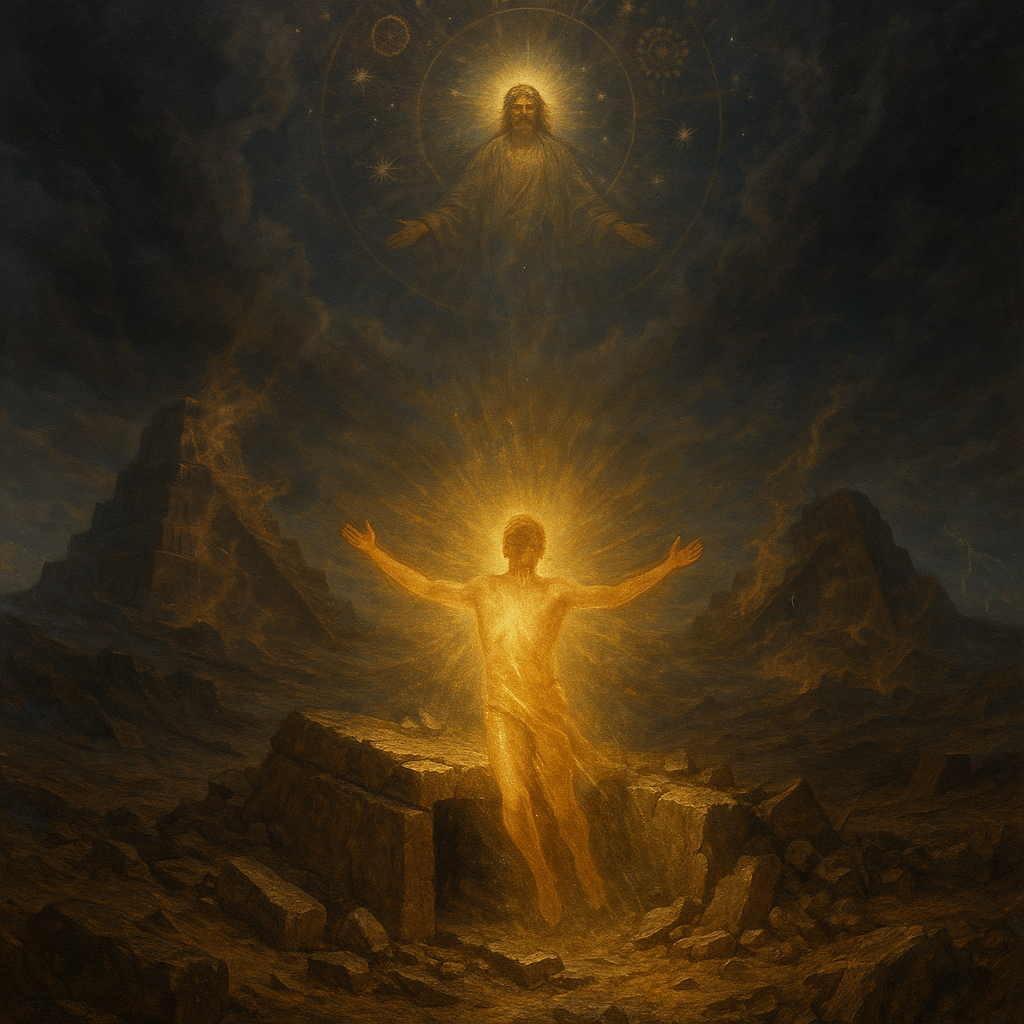
No longer was Sheol the final destination. A day was coming when the faithful would be raised, not as disembodied spirits, but as reembodied beings, fully restored and transformed. The language hints at glory, justice, and joy, completely alien to the sorrowful tones of ANE afterlife texts.
This was a radical theological move. The idea that the righteous would be bodily raised by Yahweh set Israel apart. The divine council rebelled, humanity fell, but God promised not just deliverance, but a glorified future beyond death. The concept did not develop in isolation. It was forged in contrast to the hopeless tomb-worlds of Israel’s neighbors.
Christianity: From Seed to Splendor
Christianity, rooted in Judaism, took this concept and revealed its full flowering. The Jewish hope of resurrection was never mere metaphor. It was a literal expectation of bodily restoration, rooted in prophetic texts like Daniel and Isaiah and affirmed in Second Temple writings, including the martyrdom accounts in 2 Maccabees. Christ’s resurrection was not symbolic. It was the historic and physical defeat of death itself. For Paul, this event was not only proof of life after death, but the firstfruits of what all the faithful would experience. Christ’s glorified body was a tangible preview of the embodied glory awaiting those who belong to Him.
Whereas pagan religions occasionally flirted with ideas of apotheosis or immortality for heroes or emperors, the Christian claim was far more subversive. Every faithful believer, slave or free, male or female, Jew or Gentile, was destined to rise again in glorified embodiment. This was not mythic metaphor. It was cosmic revolution.
Resurrection vs. Reincarnation or Spirit Survival
Importantly, this vision differed from reincarnation, where the self dissolves or returns in new form, and from spirit survival, where a ghost or shade lingers. The biblical model insists on the restoration of the person, not merely their essence. The soul is not freed from the body. It is reunited with a perfected one.
This was revolutionary not just in theology, but in anthropology. The human body mattered. The material world was not evil or illusory, as many surrounding philosophies taught. It was made good and would be remade.
Conclusion
In a world where death was final, where the grave was silent, and where the gods offered no escape, the biblical vision of resurrection was not merely hopeful. It was defiant. It redefined justice, identity, and destiny. No longer would the dead sleep forever. No longer would dust be the final word. From the ashes of Sheol, the faithful would rise, not as ghosts, but as glorified, embodied, eternal beings in communion with their Creator.
Discussion Questions
- How did Ancient Near Eastern views of the afterlife shape the early Israelite understanding of Sheol, and in what ways did Israel’s theology begin to diverge?
- What does Yahweh’s power over Sheol, as depicted in the Hebrew Bible, reveal about His nature compared to the gods of neighboring cultures?
- Why was the concept of bodily resurrection considered radical in the context of ANE beliefs about death and the afterlife?
- How does the promise of reembodiment challenge modern views that separate spiritual salvation from the physical world?
- In what ways does the Christian claim of universal resurrection and glorified embodiment subvert ancient notions of divine privilege and human limitation?
Want to Know More?
- N.T. Wright, The Resurrection of the Son of God
A landmark scholarly work tracing resurrection belief from ancient paganism through Judaism and into early Christianity, showing how bodily resurrection became central to Christian identity. - Jon D. Levenson, Resurrection and the Restoration of Israel: The Ultimate Victory of the God of Life
Explores the deep roots of resurrection in the Hebrew Bible and how it served as a theological answer to national tragedy and exile. - Michael S. Heiser, The Unseen Realm: Recovering the Supernatural Worldview of the Bible
Offers critical context for understanding Sheol, the divine council, and the biblical concept of the afterlife in contrast to ANE thought. - Richard Bauckham, The Jewish World Around the New Testament
A collection of studies that delve into Jewish eschatological beliefs during the Second Temple period, including views on resurrection and judgment. - Matthew J. Suriano, The Politics of Dead Kings: Dynastic Ancestors in the Book of Kings and Ancient Israel
Examines how ancient Israel’s treatment of the dead diverged from ANE ancestor worship and how this shaped Israel’s view of the afterlife.
About the Author